

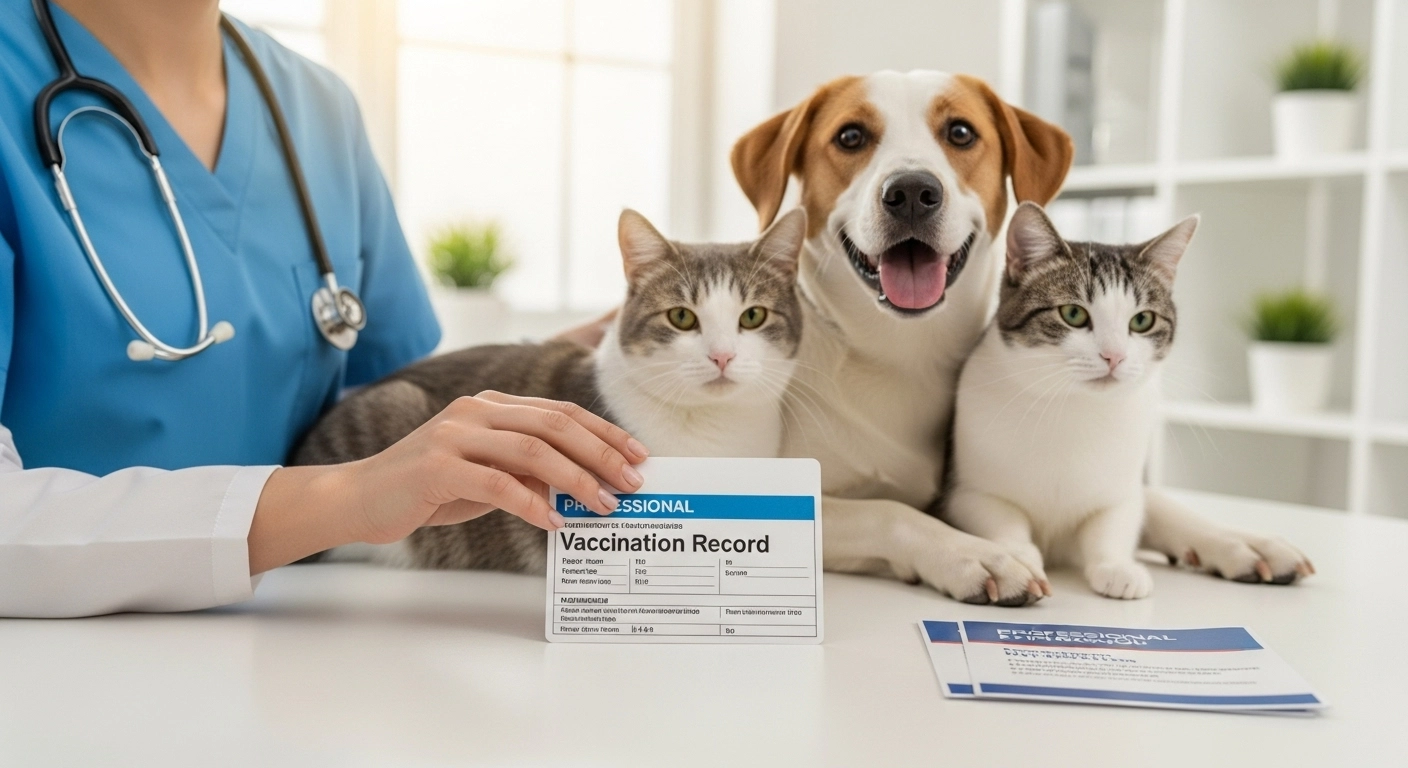
Imagine two furry friends. One spends their life enjoying the dog park, hiking trails, and cuddles, free from worry. The other is confined and fragile, having faced a devastating, but preventable, illness. This isn’t just a sad scenario; it’s the real, tangible difference that pet vaccinations make.
Your pet healthcare decisions are the biggest influence on their longevity. Choosing routine prevention through vaccines is the single best way to provide that essential layer of protection for your beloved companion. According to the American Veterinary Medical Association, vaccines are among the most effective tools we have to keep pets safe from preventable diseases.
They don’t just protect your pet; they contribute to the collective immunity of the wider animal community. This trusted, expert guidance is about giving your four-legged family member the very best start, filled with health and happiness.
But what does this mean for your dog or cat specifically? Let’s break down the essential vaccines they need to thrive.
Why Vaccinations Are the Best Gift You Can Give Your Pet’s Health
The most compelling reason to prioritize pet vaccinations is simple: they grant your furry friend the greatest possible chance at a long, vibrant life. These small shots are monumental acts of prevention, protecting against devastating diseases that could severely diminish your pet’s health and shorten their lifespan.
Veterinarians agree that vaccines are one of the most cost-effective and reliable ways to prevent serious illnesses in pets. They work by preparing your pet’s immune system, allowing it to quickly recognize and fight off specific threats if exposed in the future. This proactive approach is the core of responsible pet healthcare.
“A tiny shot can mean a lifetime of safety. Vaccines are love in action.”
Protecting your pet with vaccines is the most effective, cost-friendly way to safeguard their future health and happiness.
💉 Discover Vaccine Benefits →Addressing the Indoor Pet Myth
A common question we hear is, “My cat stays indoors, do they still need shots?” The answer is a resounding yes, especially for core vaccines like Rabies. Serious pathogens can enter your home in surprising ways—on your shoes, clothing, or even through a stray bat or rodent.
Furthermore, life is unpredictable. If your indoor pet ever escapes, visits a groomer, or needs emergency veterinary care, their lack of protection puts them, and potentially other animals, at significant risk.
The Benefits of Proactive Protection
Prioritizing a comprehensive vaccination schedule is the ultimate act of safety and love. Here’s a quick look at the outcomes:
| Aspect | Vaccinated Pet | Unvaccinated Pet |
| Disease Risk | Very Low | High |
| Lifespan | Longer, healthier years | Risk of debilitating, life-shortening illness |
| Vet Costs | Lower (prevention) | Higher (emergency treatments) |
Vaccines aren’t just about individual immunity; they create a protective barrier around your entire community. They dramatically reduce the prevalence of deadly diseases like Canine Parvovirus, Feline Leukemia, and Rabies, making the world safer for all animals.
Talk to your vet about establishing a core and non-core vaccination plan tailored specifically for your companion’s lifestyle.
But which vaccines are most important for dogs and cats? Let’s look at them one by one.
The Essential Guide to Dog Vaccines Every Pet Parent Should Know
Ensuring your canine companion receives the right dog vaccines at the right time is crucial for their long-term health. Most veterinarians follow AAHA (American Animal Hospital Association) guidelines, which classify pet vaccinations into two main categories: Core (required for nearly all dogs) and Optional (based on risk factors).
🐶 Dog Vaccines at a Glance
Core Vaccines: The Essential Protection
These are the fundamental core shots considered necessary for every dog, regardless of their lifestyle or location, due to the severity and high risk of transmission of these diseases. They offer broad protection and are often started as puppy vaccines.
- Rabies: This is often legally required and protects against a fatal, contagious neurological disease that can be transmitted to humans.
- DHPP/DAPP (Distemper, Parvovirus, Adenovirus, and Parainfluenza): This combination vaccine provides vital protection against highly contagious and severe diseases, particularly Parvovirus and Distemper, which are rampant in young pups.
Optional (Non-Core) Vaccines: Lifestyle-Based Safety
Optional vaccines are recommended based on factors like your dog’s geographic location, travel habits, and interaction with other animals (e.g., dog parks, boarding). Your vet will help determine if these are necessary for your dog.
- Bordetella (Kennel Cough): Recommended for dogs who socialize frequently, attend doggy daycare, or are boarded, as the disease is highly contagious in close quarters.
- Lyme Disease: Crucial in areas where ticks are prevalent, as it protects against the debilitating effects of Lyme disease.
- Leptospirosis: Recommended for dogs with exposure to wildlife, stagnant water, or rural settings, as the bacteria can cause severe kidney and liver damage.
| Vaccine Type | Examples | Purpose | Frequency | Notes |
| Core | Rabies, Parvovirus, Distemper | Prevent deadly, highly contagious diseases | Annually or 3 years | Often legally required (Rabies) |
| Optional | Bordetella, Lyme, Canine Flu | Based on lifestyle/area of exposure | Annually (as needed) | For dogs that board, hike, or travel |
Following a consistent schedule of vet recommendations for these pet vaccinations gives your dog the best chance for a healthy life. Ask your vet which vaccines your dog truly needs based on their unique activities and risk profile.
… but what about our feline friends? Their vaccination needs are just as important — and slightly different.
Cat Vaccines Explained: Protecting Your Feline from Kittens to Adults
Just like dogs, your feline companions need tailored pet vaccinations to ensure a long, safe life.1 Understanding which cat vaccines are necessary often depends on whether your cat is an indoor-only pet or spends time outdoors. However, all cats require a foundational set of core shots for essential protection.2
According to the Cornell Feline Health Center, vaccines are the safest way to protect cats from life-threatening diseases such as panleukopenia and rabies.
Core Cat Vaccines: The Must-Haves
These vaccines are recommended for every cat, regardless of their indoor or outdoor status, because the diseases they prevent are severe, common, or transmissible to humans:3
- Rabies: Crucial for all cats. It’s a fatal disease and required by law in many regions, offering protection for your cat and your family.
- FVRCP (Feline Viral Rhinotracheitis, Calicivirus, Panleukopenia): Often called the “feline distemper” shot.4 FVRCP protects against three highly contagious and often severe viral diseases, particularly important for kitten vaccines starting around 6–8 weeks of age, followed by boosters.5
Optional (Non-Core) Vaccines: Lifestyle-Dependent
Optional vaccines are given based on a vet recommendation tailored to your cat’s specific risk of exposure.6
- Feline Leukemia Virus (FeLV): Essential for outdoor cats or those living in multi-cat households with unknown vaccination status. Feline Leukemia is a serious, often fatal, viral disease transmitted through saliva and close contact.7
- Bordetella bronchiseptica: Recommended for cats who frequent boarding facilities or cat shows, or those living with an infected dog.8
| Vaccine Type | Examples | Purpose | Timing | Notes |
| Core | Rabies, FVRCP | Prevent deadly viral diseases (e.g., Panleukopenia) | Kitten + boosters | Rabies is often legally required |
| Optional | Feline Leukemia, Bordetella | Protection based on exposure | Varies | For outdoor or multi-cat homes |
Safety and Timing
While it’s natural to worry about risks or minor side effects (like temporary soreness or lethargy), serious adverse reactions are rare. The benefit of disease prevention far outweighs the risk. Kitten vaccines require a series of boosters to build robust immunity, while adult cats typically receive boosters every 1–3 years.9
Your best course of action is to have an open conversation with your veterinarian. They will create a custom vaccination schedule that offers optimal protection based on your cat’s age, health, and daily activities.10
… but how do these vaccines fit into your pet’s overall pet healthcare routine? Let’s connect the dots.
How Vaccines Fit into the Bigger Picture of Pet Healthcare
When you make the informed decision to follow a pet vaccinations schedule, you’re laying the foundation for your pet’s entire healthy lifestyle. Vaccines are vital, but they are just one strong pillar supporting the overall structure of responsible pet healthcare. True longevity comes from adopting a holistic approach.
Veterinarians emphasize that a complete healthcare plan should combine vaccinations with balanced nutrition and routine wellness visits. This approach shifts the focus from costly emergency treatment to effective, compassionate prevention.
🏥 The Four Pillars of Pet Health
The Four Pillars of Proactive Care
Adopting a strategy of proactive care means consistently supporting your pet’s physical and mental well-being. When all four pillars below are strong, your pet’s immune system can thrive:
- Pet Vaccinations: The core defense against specific, life-threatening infectious diseases.
- Proper Nutrition: A high-quality, balanced diet that provides the fuel needed for a strong body and immune system.
- Regular Vet Visits: Annual or semi-annual checkups allow for early disease detection, blood work, and proactive adjustments to their wellness care plan.
- Exercise and Mental Health: Daily activity and appropriate grooming maintain ideal body weight and promote mental happiness.
| Pillar | Primary Purpose | Key Benefit | Recommended Frequency |
| Vaccinations | Disease prevention | Longer, healthier life | Annual or 3 years |
| Nutrition | Fueling the body | Strong immune system | Daily |
| Vet Visits | Early detection | Lower long-term costs | 1–2 times per year |
| Exercise & Care | Physical and mental health | Happier, better-behaved pets | Daily |
Understanding pet healthcare doesn’t have to be overwhelming. By consistently addressing these four areas, you are ensuring the highest quality of life for your companion. Healthcare is a continuous act of love and responsibility.
… now that we’ve covered the bigger healthcare picture, let’s answer some of the most common questions pet owners ask about vaccines.
Pet Vaccination FAQs & Final Thoughts
Frequently Asked Questions (FAQs) About Pet Vaccines
Do pets really need yearly vaccines? 🐶🐱
Not all pet vaccinations need to be given yearly. Core vaccines like the Distemper/Parvo combination often move to a three-year schedule for adult animals, based on your veterinarian’s assessment. However, vaccines like Rabies and certain non-core shots (e.g., Bordetella) typically still require annual booster shots to maintain strong immunity and adhere to legal requirements.
Are vaccines safe for cats and dogs?
Yes, dog vaccines and cat vaccines are overwhelmingly safe and incredibly effective. Veterinarians emphasize that vaccine side effects are rare (usually mild and temporary, like slight lethargy or soreness) and are far outweighed by the protection they provide against life-threatening diseases, ensuring a longer, healthier lifespan.
What happens if my pet isn’t vaccinated?
An unvaccinated pet is directly exposed to potentially fatal infectious diseases like Parvovirus, Distemper, Panleukopenia, and Rabies. Without the crucial prevention offered by pet vaccinations, they face a high risk of contracting these severe illnesses, which can lead to high pet healthcare costs, extensive suffering, and even death.
How much do pet vaccinations cost?
The cost of pet vaccinations varies by region and specific vaccine type, but they are generally one of the most cost-effective forms of prevention available. The investment in routine shots is significantly lower than the cost associated with treating a preventable disease like Parvovirus or Feline Leukemia.
At what age should I vaccinate my puppy or kitten?
Puppy and kitten vaccines typically begin around 6 to 8 weeks of age. They require a series of follow-up booster shots every 3–4 weeks until they are around 16 weeks old to ensure their immune system develops strong, lasting protection.
❓ Common Vaccine Questions
Do pets really need yearly vaccines?
Not all. Some core vaccines shift to 3-year cycles; others remain annual.
Are vaccines safe for cats & dogs?
Yes. Side effects are rare and mild compared to disease risk.
What happens if my pet isn’t vaccinated?
They’re exposed to preventable, potentially fatal diseases with high treatment costs.
Final Thoughts: A Proactive Pledge
Prioritizing pet vaccinations is the most loving, proactive step you can take in your companion’s pet healthcare journey. It’s an essential act of safety and prevention that allows your dog or cat to safely enjoy a full, unrestricted life. You are the guardian of their well-being.
Take a moment now to check your pet’s last immunization date and talk to your veterinarian to confirm the best, most customized schedule for your furry friend. Be proactive, stay informed, and remember: every vaccine you give is another year of joy with your furry friend.