

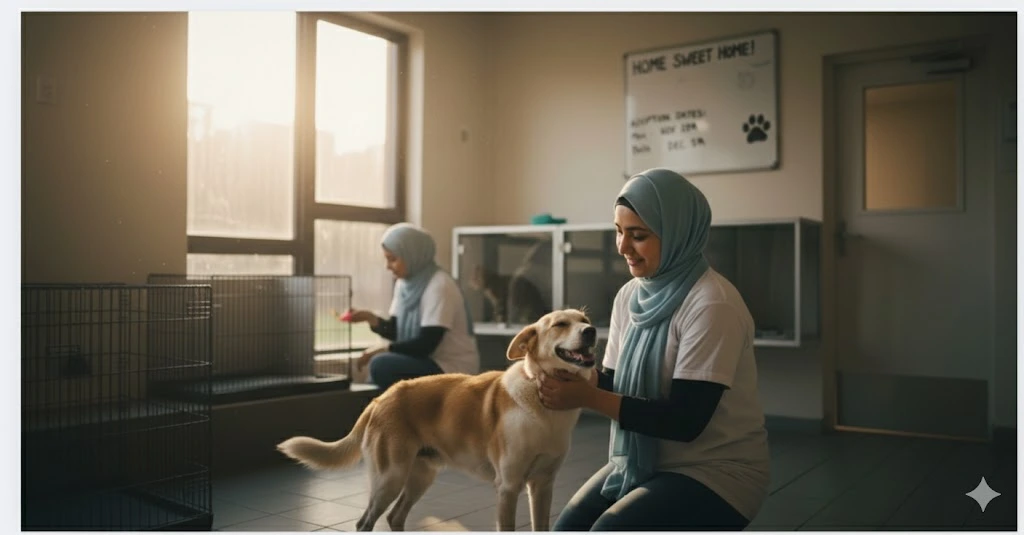
Volunteering at an animal shelter is one of the most direct and rewarding ways to make a tangible difference in animal welfare. While the animals undoubtedly reap the benefits of your time and compassion, the experience offers a wealth of surprising and valuable rewards for the volunteers themselves. It’s more than just dog walks and cat cuddles; it’s an investment in your personal well-being, skill set, and community connection.
1. Boost Your Mental and Emotional Health
One of the most immediate and profound benefits of volunteering at an animal shelter is the positive impact on your mental and emotional well-being. Science consistently links acts of altruism and interaction with animals to reduced stress and increased happiness.
- Stress Reduction: Spending time with animals, especially through activities like petting, playing, or walking a dog, triggers the release of oxytocin (the “feel-good” hormone) and lowers cortisol levels (the stress hormone). This natural process acts as a powerful antidote to daily pressures.
- A Sense of Purpose: By directly aiding vulnerable animals, you gain a clear sense of purpose. Knowing your efforts—whether it’s cleaning kennels, socializing shy cats, or walking a high-energy dog—contribute to an animal’s health and eventual adoption is deeply fulfilling. It reinforces the idea that you are part of something bigger than yourself, directly saving lives.
- Combating Loneliness: Shelters are vibrant communities. Volunteering provides opportunities to interact with like-minded staff and fellow animal welfare volunteers, forming new friendships rooted in a shared passion. The unconditional affection you receive from the animals provides a special kind of companionship that can reduce feelings of isolation.
🧘 Volunteer Well-Being Boost
- 🐾 Petting animals lowers stress hormones (cortisol) & raises oxytocin.
- 🎯 Purpose-driven work improves life satisfaction & daily motivation.
- 🤝 Friendships formed in shelters reduce loneliness and social isolation.
2. Develop Valuable Career Skills
Volunteering is a practical way to develop and hone skills that are highly valued in any professional setting, making you a more attractive candidate for future employment or career advancement.10
- Teamwork and Communication: Shelter operations rely heavily on coordination among volunteers and staff. You’ll learn to communicate clearly, manage handoffs, and collaborate effectively to ensure every animal’s needs are met.
- Behavioral Training and Empathy: Working with animals that have diverse and often challenging backgrounds requires immense patience, consistency, and non-verbal communication. You’ll gain practical skills in positive reinforcement and animal behavior modification, which directly translate into improved empathy and emotional intelligence in human interactions.
- Time Management and Organization: Shelters are fast-paced environments with strict routines (feeding times, cleaning schedules, medication administration). Volunteers must be organized and efficient to ensure these critical tasks are completed on time, offering excellent real-world experience in operations management.
🎓 Skills You’ll Take Beyond the Shelter
Clear, respectful communication
Patience through animal care
Balancing routines & urgency
Structured task flow
3. Gain Unique Animal Care Experience
For anyone considering a career in veterinary medicine, animal training, conservation, or zoology, volunteering offers invaluable, hands-on experience unavailable elsewhere.11
- Handling and Restraint: You will become comfortable and confident in safely handling various breeds, sizes, and temperaments of animals, including those who are fearful or stressed.12
- Exposure to Medical Care: While volunteers typically don’t administer major medical treatments, you’ll be involved in essential tasks like administering oral medications, recognizing signs of illness or injury, and assisting staff during veterinary procedures. This is critical exposure to pet healthcare and emergency triage.
- Behavioral Assessment: You’ll learn to recognize subtle cues and body language that indicate an animal’s emotional state (fear, anxiety, readiness for adoption), knowledge that forms the basis of effective training and safe interaction.13
🐾 Your Learning Journey in Animal Care
- Safe Handling: Gain confidence with breeds of all sizes.
- Health Basics: Learn medication routines & recognize illness signs.
- Behavior Reading: Decode subtle body language for safety & training.
- Support in Procedures: Assist professionals in real clinical care.
4. Become an Informed Advocate for Animal Welfare
As a shelter volunteer, you move beyond general sympathy and gain a deep, informed understanding of the complex issues facing animals in your community.
- Understanding the System: You witness firsthand the impact of irresponsible pet ownership, overpopulation, and local stray issues. This knowledge empowers you to speak authoritatively about the need for spaying/neutering, microchipping, and legislative reform.
- Promoting Responsible Adoption: You become an essential part of the adoption process, helping to match animals with the right forever homes.14 This involves sharing an animal’s history and needs with potential adopters, acting as a critical bridge between the shelter and the community.15
- Collective Immunity: By assisting with intake, record-keeping, and facilitating adoptions, you help the shelter maintain high standards of cleanliness and disease prevention, contributing to the overall health and safety of the local animal population.
📣 Advocacy Myths & Truths
❌ “Shelters are just about adoptions”
Shelters also educate, prevent disease, and strengthen community health.
❌ “Overpopulation is unavoidable”
Spay/neuter drives and education drastically reduce stray suffering.
❌ “Advocates need formal training”
First-hand volunteer experience already equips you to speak with authority.
5. Experience Unconditional Love and Joy
Ultimately, the most significant personal reward is the sheer, unadulterated joy that comes from the bond you form with the animals.
- Unconditional Affection: Dogs and cats in shelters often crave connection.16 The gratitude and trust they show you—a shy cat finally accepting a cuddle, a nervous dog bounding with joy on a walk—are pure and affirming.
- Witnessing Second Chances: The greatest benefit is the moment you see a pet you worked with, one you helped heal, socialize, and train, walk out the door with a loving family. Knowing you played a crucial role in that animal’s longevity and happiness is a uniquely powerful, unforgettable experience.
Volunteering is a simple yet heroic act that saves lives and enriches your own. It’s an opportunity to step away from the digital world and connect with creatures who desperately need your time.
“The joy of seeing an animal you helped find its forever home is unmatched—it’s love in its purest form.”
Shelter volunteering isn’t just about service—it’s about being part of countless second chances and new beginnings.
🐶 See Adoption Success Stories →